


Fintech software development company for platforms that move money

InApps provides fintech software development services for startups, lenders, insurers and payment companies in the US, UK and Australia. We plan, build and run exchanges, wallets, payment apps and banking platforms, with security designed in before the first line of code. Most MVPs reach a first release in 8 to 16 weeks.
  • 100% IP assigned to you
  • NDA before day one
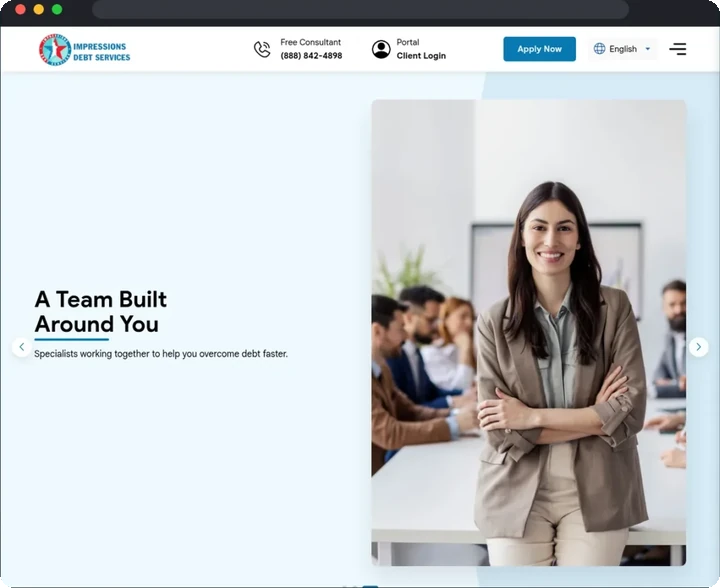
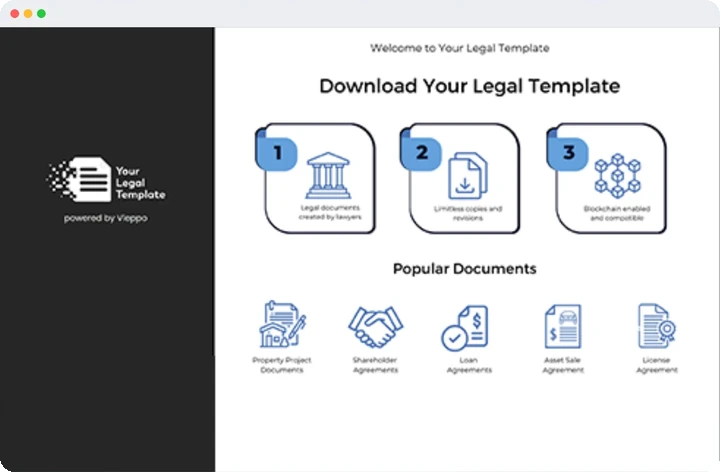
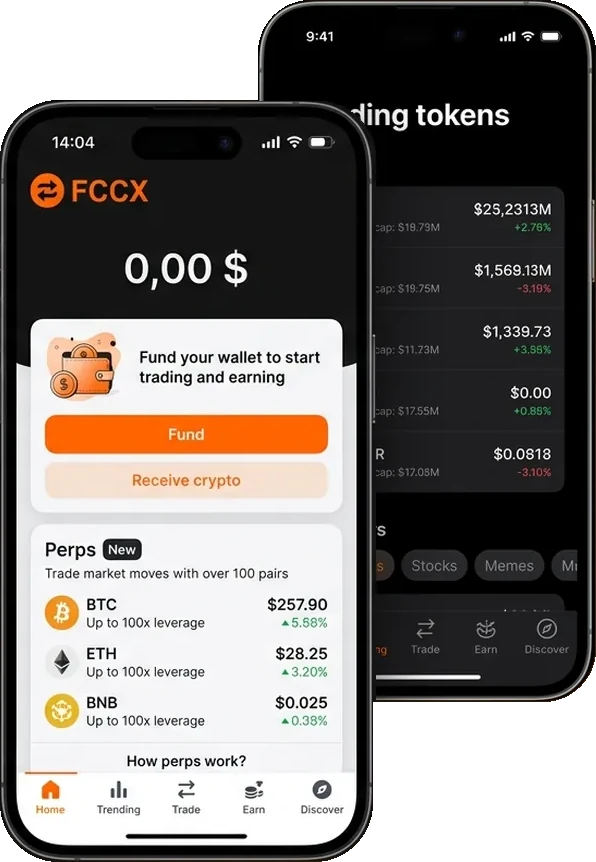
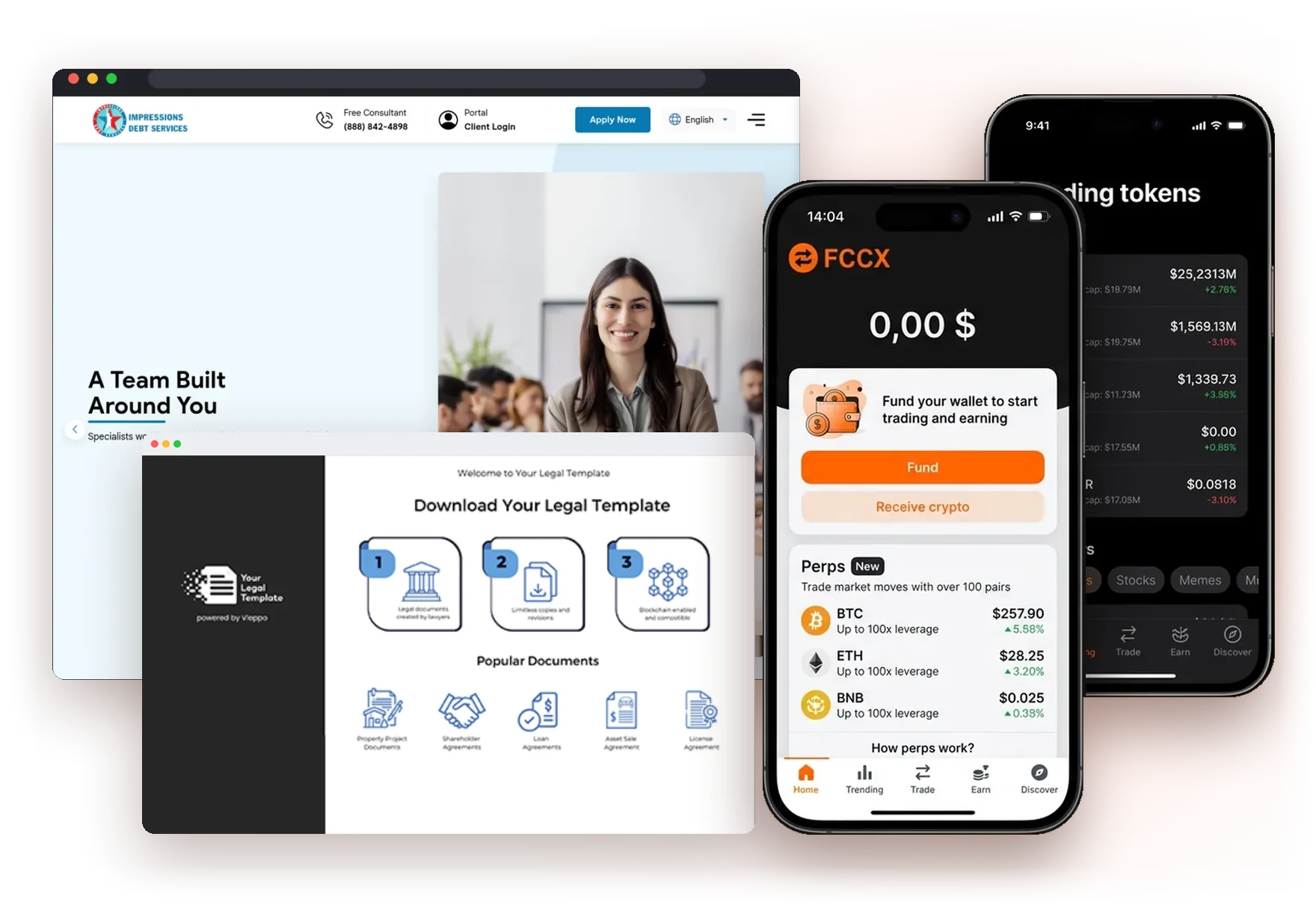
Three financial products InApps built or runs: the FCCX crypto exchange app with a wallet balance and live prices, in front of the Impressions Debt Services website and Vleppo's legal template desktop app

Fintech clients and recognition

Why fintech is different

In fintech, one weak flow puts every account at risk

Most software can ship now and fix later. A platform that moves money cannot.

  • 01

    Security has to be designed in

    Fixing permissions and transaction flows after launch costs a rebuild, not a patch. Card data rules leave less room than before: the 51 future-dated requirements in PCI DSS v4.0.1, including control of every script on a payment page, became mandatory on 31 March 2025. InApps designs permissions, ledgers and audit logs before the first sprint.

  • 02

    Regulators and partners want evidence

    Licensing bodies, partner banks and enterprise buyers ask for the documentation, not just the code. That means access logs, change records and test results you can hand over when asked. For FCCX, InApps supported the licensing process with El Salvador's National Commission of Digital Assets.

  • 03

    Every integration is a point of failure

    Each payment, banking or identity connection is a place where money or data can go missing. A retried call can charge a card twice, and a missed webhook can leave a balance wrong until someone notices. In the US, the CFPB's open banking rule (Section 1033) is still being rewritten, so integrations also have to absorb change.

  • 04

    Fintech engineers take months to hire

    Engineers who know payments and regulated delivery are scarce in the US, UK and Australia. A senior or specialist software hire in the US often takes 50 to 89 days. InApps puts a dedicated team on your product in 4 to 6 weeks.

What we build

Fintech software development services we deliver

InApps fintech software development services cover the full product lifecycle: consulting and compliance mapping, custom platform builds, mobile apps, third-party integrations, legacy takeover and AI features. Every service runs on a dedicated team that works only on your product.

Fintech software consulting and discovery

Before any code, we map your product to the rules it must follow: card data, KYC/AML, data residency, licensing. You get a written scope, architecture and compliance checklist you can show a partner bank or regulator.

Custom fintech software development

Web platforms, back offices and APIs built around your transaction model. We design ledgers, permissions and audit logs first, because fixing them after launch means a rebuild.

Fintech app development services

Native and cross-platform apps (Swift, Kotlin, Flutter, React Native) for wallets, trading and personal finance. QA covers every path that touches money, and we handle App Store and Google Play review for financial apps.

Payment and banking integrations

Payment gateways, subscription billing, crypto networks and identity checks, from Stripe and PayNow to VNPay and USDT on TRON. Each integration ships with webhooks, safe retries and reconciliation, so a failed call never loses money silently.

AI features for fintech

Fraud signals, document extraction for KYC, support agents and risk scoring, built on your data with human review where regulators expect it.

Platform takeover and modernization

We take over a platform another vendor built, stabilize it, then refactor in place while releases keep shipping. Start with a code audit if you do not know the state of the code.

Products

Fintech products we build

Fintech software development services for startups, insurers, banks and consumer finance firms. Every one is financial services software development we have built or run.

We also build

  • Digital banking and neobank apps

    account opening, cards, transfers and statements on a banking-as-a-service partner.

  • Lending and BNPL platforms

    application flows, credit decisioning rules, repayment schedules and collections.

  • Wealth and trading platforms

    portfolios, order flows and live market data with an audit trail on every trade.

Integrations

Fintech integrations and tech stack

A fintech platform is only as reliable as its weakest integration. InApps engineers work with the payment, banking data and identity providers your product depends on, and build each connection with reconciliation and failure handling from day one.

  • Payment gateways

    • Stripe
    • Airwallex
    • PayNow (Singapore)
    • VNPay
    • Ngân Lượng
    • Alepay (Vietnam)
  • Subscription billing

    • Apple App Store and Google Play in-app purchases
    • RevenueCat (incl. Web Billing)
    • IAPhub
  • Blockchain & digital assets

    • Ethereum
    • BNB Smart Chain
    • TRON
    • USDT
    • Solidity smart contracts
    • Binance market data (WebSocket)
    • TronScan API
  • Ledger & wallet core

    • Cyclos banking software
    • custodial wallet services
    • deposit sweep and gas monitoring
  • Identity & security

    • Email and SMS OTP
    • two-factor authentication
    • biometric login
    • KYC document submission
  • Messaging

    • SendGrid
    • Resend
    • Telegram bots
  • Tech stack

    Backend
    • Node.js
    • Python
    • Java
    • PHP (Laravel)
    Mobile & web
    • React
    • Next.js
    • Vue.js
    • React Native
    • Flutter
    • Swift
    Data
    • PostgreSQL
    • MySQL
    • MongoDB (Atlas)
    • Redis
    Cloud & DevOps
    • AWS (EC2, Amplify)
    • Google Cloud
    • Firebase
    • Docker

Already running a financial platform nobody fully owns? Start with a code audit

See the code audit

Security and compliance

Security your auditors can check, not just a promise

Your compliance team sets the standard. We build to it, show it in writing and keep it there after launch.

Two InApps engineers at work in the Ho Chi Minh City office, the InApps logo on the glass wall behind them
Every engineer signs an NDA before joining your project.
  • ISO/IEC 27001:2022 certified

    Access, devices and data handling on your project follow an audited system.

  • Security in the architecture

    Permissions, transaction flows and data handling are designed before the build starts.

  • Pentest findings fixed, not filed

    When a pentest reports issues, we fix them and show you the change.

  • Compliance inside the workflow

    Audit-ready documentation and a compliance checkpoint in every release cycle.

RequirementWho certifiesWhat InApps builds
PCI DSS v4.0.1Your QSA, for your productTokenized card flows that keep raw card data out of your systems, payment-page script control (req. 6.4.3, 11.6.1), access logs
SOC 2Your auditorAccess control, change management and evidence your auditor asks for
KYC / AMLYour compliance team, your regulatorIdentity checks, sanctions screening hooks, case management and audit trails
GDPR / GLBA / data protectionYour DPO, your regulatorData minimization, encryption at rest and in transit, retention and deletion jobs
DORA (EU), MAS TRM (Singapore)Your regulatorIncident logging, resilience testing support, third-party risk documentation
ISO/IEC 27001:2022Certified for InApps itselfAccess, devices and data handling on every InApps project

Certifications such as PCI DSS or SOC 2 belong to your product and your company. InApps builds to them and gives you the evidence.

How to work with us

Hire fintech developers, or hand us the whole platform

  1. 01

    Build it end to end

    Best for a new product or a rebuild

    Custom fintech software development, from roadmap to launch.

    Billing
    Fixed scope and milestones agreed in planning
    Start time
    MVP in 8 to 16 weeks after planning
    Custom software development
  2. 02

    Get a dedicated team

    Best for a platform you keep building

    A long-term team on your product only, led by a technical lead.

    Billing
    Monthly, per engineer
    Start time
    Full team in 4 to 6 weeks
    Offshore development center
  3. 03

    Add fintech engineers

    Best when your team is right but too small

    Backend, mobile, QA or DevOps engineers inside your squads.

    Billing
    Monthly, per engineer
    Start time
    First engineer in 2 to 4 weeks
    IT staff augmentation

Cost and timeline

How much fintech software development costs

Fintech software development typically costs USD 25,000 to 90,000 for an MVP, USD 120,000 to 180,000 for a full product with compliance work, and USD 350,000 or more for an enterprise platform, based on 2026 market quotes. Integrations, compliance scope and team location move the number most.

  • Most teams start here

    Tier 1

    MVP

    One platform, one or two integrations. Built to show investors, partners or a regulator.

    Typical cost (USD, 2026): 25K to 90KUSD, market rangeTimeline: 8 to 16 weeks

    Typically includes

    • One platform: web, iOS or Android
    • One or two integrations, such as payments or KYC
    • Core money flows plus an admin panel
    • Security review before launch

    What drives it: Number of platforms, KYC flow, payment provider

    Get a scoped estimate

    Free planning call. No discovery invoice.

  • Tier 2

    Full product with compliance

    Web and mobile, audit evidence and a pentest before launch.

    Typical cost (USD, 2026): 120K to 180KUSD, market rangeTimeline: Set in planning, by scope

    Typically includes

    • Web, iOS and Android
    • Several payment, banking and identity integrations
    • Audit evidence and documentation
    • Pentest, with every finding fixed

    What drives it: Audit evidence, pentest, multiple integrations

    Talk through your scope →
  • Tier 3

    Enterprise or regulated platform

    Core ledger, several markets, reporting to a regulator.

    Typical cost (USD, 2026): 350K+USD, market rangeTimeline: Set in planning, by scope

    Typically includes

    • Core ledger and wallet services
    • Several markets and currencies
    • Regulator reporting and resilience testing
    • A dedicated team for ongoing releases

    What drives it: Core ledger, multi-region setup, regulator reporting

    Talk through your scope →

Five things move the price

  1. 01Platforms: web, iOS, Android
  2. 02Payment, banking and identity integrations
  3. 03Compliance documentation
  4. 04Security testing
  5. 05Team size
Vietnam seniorUSD 40 to 70/h
US seniorUSD 120 to 180/h

These are market ranges, not a quote. InApps agrees the scope with you first, then gives you an estimate against it. Senior engineers in Vietnam cost roughly USD 40 to 70 per hour, against USD 120 to 180 in the US. Sources: RaftLabs, CMARIX, Acquaintsoft, InCorp Vietnam (2026).

How we work

Plan first, then build, then prove it is safe

Most fintech MVPs go from plan to first release in 8 to 16 weeks.

3%

of applicants pass our technical, English and teamwork checks.

Roadmap or only an idea? Either is a fine place to start.

Book a call
  1. 1 to 2 weeks

    Plan

    Roadmap, scope and technology agreed before any code.

  2. 1 to 2 weeks

    Design

    Architecture, data model and UX, with every transaction path reviewed for security.

  3. 5 to 10 weeks

    Build and test

    Web and mobile in short iterations, with QA on every path that touches money.

  4. 1 to 2 weeks, then ongoing

    Harden and run

    Pentest fixes, store release, licensing support and ongoing releases.

Client reviews

What clients say about working with InApps

4.9/5 39 verified reviews on Clutch (opens in a new tab)
Fintech client

“They were responsive, proactive, and adapted quickly to our needs throughout the project.”

Nancy DaoNancy D Business Director, FinTech Company Digital financial platform design & development · Aug 2025
Read the full review on Clutch (opens in a new tab)
  • “Project management has been an 11/10. Always respond to my needs and questions in detail and deliveries have always been on time.”

    Margo FlanaganDirector, Two Raw Sisters · Clutch review (opens in a new tab)
  • 4.5 / 5 on Clutch

    “We were impressed by their willingness to overcome cultural challenges and deliver a product beyond our expectations.”

    Doug GullerFounder & CEO, BidBid · Clutch review (opens in a new tab)
  • “They provided a lot of new ideas to improve the app.”

    Emrah ErkGeneral Manager, Pegas Vietnam Travel · Clutch review (opens in a new tab)
  • “They don’t just build what you ask for. They think about the end result, and then go beyond it.”

    James FitzgeraldCTO, computer software company

FAQ

Questions fintech teams ask us

Not sure where to start?

Tell us what you are building. We reply with the questions that decide scope and timeline.

Book a call
What is fintech software development?
Fintech software development is the design, build and operation of software that moves, stores or analyzes money: payment apps, digital wallets, banking platforms, lending systems, trading apps and crypto exchanges. It differs from general software development because every transaction path needs security controls, audit trails and evidence for regulators such as PCI DSS or KYC/AML rules.
What does a fintech software development company do?
A fintech software development company, also called a financial software development company, plans, builds and maintains software for financial products, from the first architecture decision to production support. InApps Technology, based in Ho Chi Minh City, Vietnam, built the FCCX crypto exchange and Vleppo's smart contract platform, and runs or staffs platforms for financial firms in the US and Singapore. InApps is certified to ISO/IEC 27001:2022 for its own information security.
How do you choose a fintech software development company?
Choose a fintech software development company on four things: shipped financial products you can verify, security certified at company level (such as ISO 27001), engineers who have built payment or banking integrations, and a contract that assigns 100% of the IP to you. Ask for a reference you can call, and ask who exactly will write the code. A good partner will also tell you when another firm fits better.
How much does fintech software development cost?
Fintech software development usually costs USD 25,000 to 90,000 for an MVP, USD 120,000 to 180,000 for a full product with compliance work, and USD 350,000 or more for an enterprise platform, based on 2026 market quotes. Five things move the price: the number of platforms (web, iOS, Android), third-party integrations, compliance documentation, security testing and team size. InApps agrees the scope first, then gives you an estimate against it.
How long does it take to build a fintech app?
InApps typically delivers a fintech MVP in 8 to 16 weeks, depending on the number of platforms, integrations and compliance checks it needs. For a full product with compliance work, the timeline depends on scope, so we work it out with you in a planning call before any code is written. The call is free, and there is no obligation to go ahead.
Can you work to PCI DSS, KYC/AML or data protection requirements?
Yes. InApps builds to the requirements your compliance team defines: tokenized card flows for PCI DSS v4.0.1, identity and sanctions checks for KYC/AML, data handling for GDPR or GLBA, plus the audit logs and documentation your auditor asks for. Certifications such as PCI DSS or SOC 2 belong to your product and your company. InApps holds ISO/IEC 27001:2022 for its own information security.
Who owns the code and IP?
You do. Every InApps contract assigns 100% of the source code, designs and documentation to you from day one, and every engineer signs an NDA before joining your project. Your repositories, cloud accounts and credentials stay under your control.
Which payment and banking integrations can you build?
InApps engineers have shipped integrations with payment gateways (Stripe, Airwallex, PayNow in Singapore, and VNPay, Ngân Lượng and Alepay in Vietnam), subscription billing (Apple App Store, Google Play, RevenueCat and IAPhub) and blockchain networks (Ethereum, BNB Smart Chain and TRON, including USDT deposits and withdrawals). Each integration ships with webhook handling, safe retries and reconciliation against the provider's own records, covering refunds and failed 3-D Secure checks. For sign-in and identity, InApps builds OTP, two-factor and biometric login and KYC document flows. If your payment, banking or identity provider has a documented API, InApps can integrate it.
Do you build crypto and blockchain products?
Yes. InApps built FCCX's crypto exchange with linked wallets on web, iOS and Android, and Vleppo's smart contract platform on Ethereum, written in Solidity and shipped as one desktop app for macOS, Windows and Linux.
Can you add AI to a fintech product?
Yes. InApps builds AI features for fintech such as fraud signals, document extraction for KYC, support agents and risk scoring, using models from OpenAI, Anthropic or Google on your own data. Decisions that affect a customer's money keep a human review step, which most regulators expect.
Can you take over a fintech platform another vendor built?
Yes. InApps stabilizes the platform first, then cleans up the architecture and puts predictable releases in place, as it did for Impressions Debt Services in California. If you do not know what state the code is in, start with a code audit.
Can a team in Vietnam work for a fintech in the US, UK or Australia?
Yes. Vietnam (GMT+7) is 6 to 7 hours ahead of the UK, so the London morning overlaps the Ho Chi Minh City afternoon, and the team shares most of the working day with Australia (GMT+10 to +11) and Singapore (GMT+8). For US clients, the team works US hours, as it does for Impressions Debt Services in California.
Let’s build

Building a platform that moves money? Start with the plan

Tell us what you are building and where it stands. We come back with the questions that decide scope, security and timeline.

4.9 / 5 from 39 verified reviews on Clutch
No sales deck No discovery invoice Written role map within five days

Send us a project brief

The more of the shape you give us, the more useful the first reply is. If the answer is that you should hire locally, or that another firm fits better, we will say that instead.

Google reCaptcha: Invalid site key.