




- Home
- >
- Offshore News
- >
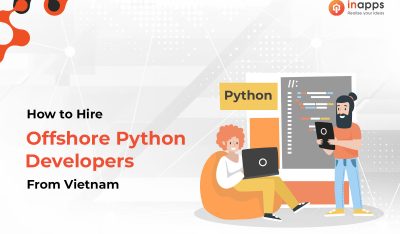
- How to Hire Offshore Python Developers From Vietnam
Python is a popular programming language created by Guido van Rossum and released in 1991. It’s known for its simplicity and readability. Python is used in web development (e.g., with Django), data science (e.g., with Pandas and TensorFlow), and automation (e.g., web scraping with Beautiful Soup). Its versatility makes it a great choice for beginners and experts alike.
According to the TIOBE Index and Stack Overflow Developer Survey, Python consistently ranks as one of the top programming languages. Companies like Google, Netflix, and NASA use Python for various applications, from web development to machine learning. Many businesses are also looking to hire offshore Python developers. The trend of hiring remote offshore Python developers is growing rapidly to meet the increasing demand in AI, ML, and data science fields. So in today’s blog, we will guide you through finding top Python talent in this thriving tech hub.
- Why Python: Python’s versatility, readability, and extensive libraries (e.g., Django, Flask, Pandas) make it ideal for web development, data science, AI, and automation, driving demand for skilled Python developers. Python libraries are especially important for machine learning, data science, and backend development, so it’s crucial to hire developers who can effectively implement and work with these libraries.
- Advantages of Hiring in Vietnam
- Cost-Effective: Hourly rates range from $20-$40, significantly lower than Western rates ($50-$150/hour), with no compromise on quality. For comparison, rates in India typically range from $25 to $50 per hour, while Eastern European developers may charge between $40 and $70 per hour. Western Europe generally has higher costs due to local salary expectations and a limited talent pool.
- In 2025, the average annual salary for a senior Python developer in the U.S. is estimated to be between $90 and $150 per hour, while equally skilled developers in India or Eastern Europe charge $25-$60 per hour.
- Businesses should also account for hidden costs, such as onboarding, communication, and project management, to get a true picture of total expenses when hiring offshore.
- Skilled Talent Pool: Over 400,000 IT professionals, with 50,000+ annual IT graduates skilled in Python frameworks, AI/ML, and cloud technologies. Vietnam’s developers often participate in global projects, gaining experience in advanced fields like AI, analytics, and high-performance systems.
- : Strong communication skills enable effective collaboration with global clients.
- Time Zone Compatibility: Vietnam’s GMT+7 aligns well with Asia, Australia, and parts of Europe, facilitating real-time coordination.
- Hiring Process
- Define project requirements (e.g., web apps, data analysis, or AI solutions).
- Source candidates through platforms like InApps, Upwork, or LinkedIn.
- Assess technical skills via coding tests, interviews, and portfolio reviews (focus on Python, frameworks, and relevant tools like Git or Docker). Be sure to assess backend development experience, such as API or Django-based development.
- Evaluate soft skills for teamwork and adaptability, especially for remote work.
- Hiring Models
- Dedicated Teams: Full-time developers for long-term projects.
- Project-Based: Fixed scope and timeline for specific deliverables.
- Hourly: Flexible for short-term or ad-hoc tasks.
- Why Choose InApps
- Offers vetted Python developers with expertise in Django, Flask, and data science.
- Uses Agile methodologies for transparency and timely delivery.
- Proven track record with global clients across industries like fintech and healthcare.
- Best Practices
- Clearly outline project goals and technical requirements.
- Leverage Vietnam’s cultural work ethic and government-backed IT growth for reliable partnerships.
- Use tools like Slack or Jira for seamless remote collaboration.
Introduction to Offshore Python Development
Offshore Python development is the practice of hiring Python developers from other countries to handle your software development projects. This approach has gained significant traction as businesses seek to tap into global talent pools, reduce operational costs, and accelerate project timelines. By leveraging offshore Python development, companies can access skilled Python developers who bring expertise in a wide range of areas, including web development, machine learning, and data science.
Offshore Python development teams are equipped to handle everything from building robust web applications to implementing advanced data analysis and machine learning solutions. This global approach not only helps companies scale their development teams quickly but also ensures access to specialized technical expertise that may be scarce or expensive locally. Whether you’re looking to launch a new product, enhance your existing platform, or drive innovation with AI and data science, offshore Python developers can provide the flexibility and skill set needed to achieve your goals efficiently and cost-effectively.
1. Why hire Offshore Python developers?
1.1. Cost Savings
Hiring offshore Python developers can significantly reduce your development costs as there is a huge pay gap in developers’ rates between tech hubs and outsourcing destinations. However, it’s crucial to consider hidden costs when calculating the total cost of ownership for offshore projects, as overlooking these can lead to underestimating the true expenses involved. For instance, developers in Vietnam often charge lower rates ($20-$50) compared to those in the US ($30-$70) or Europe. According to a Deloitte survey, cost reduction is the primary driver for 76% of companies that use offshoring, highlighting the economic advantages of hiring offshore Python developers. This cost efficiency allows businesses to allocate their budget to other critical areas while maintaining high-quality development.
1.2. Access to Skilled Python Developers
Offshore hiring gives you access to a global pool of talented Python developers offshore. Vietnam, for example, has a growing tech industry with many highly skilled offshore Python developers graduating from top universities. The top educational backgrounds of developers are from universities (48%) and colleges (26%) with majors in IT and computer science. Additionally, other ways of learning coding are becoming more popular due to the high demand for tech talent in the market (TopDev 2023 IT Report).
Offshoring provides access to experienced Python developers and offshore Python experts, including data scientists, senior Python developers, and skilled Python coders with expertise in AI, machine learning, and data science. Offshore teams often include Python coders who can handle complex, data-driven projects, ensuring you have the right talent for specialized tasks. This approach also opens up access to millions of engineers in regions like India, Eastern Europe, and Latin America, making it easier to find niche skills in high-demand areas such as AI/ML and Data Science.
1.3. Flexibility and Scalability
Offshore developers can scale your team up or down based on project requirements. Offshore Python development teams enable rapid development and quick scaling, allowing you to swiftly respond to market demands and accelerate product launch timelines. If you hire offshore Python developers from an offshore development center, you will enjoy a flexible working model. By leveraging global talent pools and time-zone advantages, you can maintain continuous productivity, accelerate project timelines, and reduce local stress. You can quickly add more developers if you need to accelerate development or handle larger projects. Conversely, you can reduce the team size when the workload decreases, optimizing resource management.
1.4. Focus on Core Business
By hiring offshore developers, you can delegate routine and specialized tasks to experts, allowing your in-house team to focus on core business activities. Offshore collaboration with offshore engineers enables your internal staff to prioritize strategic initiatives while the offshore team manages development and technical execution. Offshore teams often include not just Python developers, but also QA engineers, DevOps specialists, and project managers, supporting continuous productivity and comprehensive project coverage. For example, while your offshore team handles the development, your local team can concentrate on strategic planning, marketing, and customer engagement, enhancing overall productivity and efficiency.
Understanding Offshore Development Models
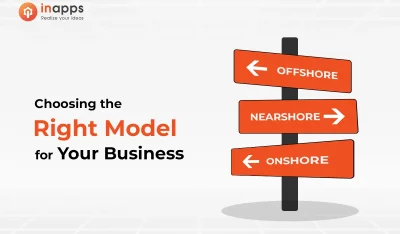
When considering offshore development, it’s important to choose the right engagement model to match your project’s needs. The three most common offshore development models are:
- Dedicated Team Model: In this model, you hire a dedicated team of offshore Python developers who work exclusively on your projects. This approach is ideal for long-term or complex projects where ongoing collaboration and deep integration with your in-house team are essential. The dedicated team acts as an extension of your company, providing continuity and a strong sense of ownership.
- Staff Augmentation Model: Here, you supplement your existing in-house team with skilled offshore Python developers. This model is perfect when you need to quickly scale your team for specific skills or to meet tight deadlines, without the commitment of hiring full-time employees.
- Project-Based Model: With this approach, you engage an offshore development company to deliver a specific project from start to finish. The offshore team manages the entire development process, from planning to delivery, making it a good fit for well-defined projects with clear requirements and timelines.
Each model offers unique advantages. The dedicated team model provides maximum control and integration, staff augmentation offers flexibility, and the project-based model is efficient for one-off or clearly scoped projects. Carefully assess your project requirements, budget, and desired level of involvement to select the best offshore development model for your business.
2. Hire Offshore Python Development Services
2.1 Web Development
Web Development is a significant area where offshore Python developers excel. Experience with web frameworks like Flask, Django, and Pyramid is crucial for building dynamic and interactive websites and web applications efficiently. These frameworks ensure code quality and scalability, making them essential skills when hiring Python programmers.
Backend development is a key area where offshore Python developers can accelerate project timelines, especially for tasks like API development or Django-based solutions within flexible staffing models. Offshore developers bring extensive experience in using Django for comprehensive projects such as e-commerce platforms, which handle everything from user authentication to product management and order processing. Flask offers a lightweight and flexible approach for smaller projects or microservices that require custom configurations, which offshore developers can adeptly handle, ensuring high-quality outcomes.
Technical expertise should include proficiency with frameworks like Django, FastAPI, or Flask, as well as libraries such as Pandas or NumPy for data-intensive work, ensuring robust backend and web development capabilities.
2.2 Data Science and Analytics
Speaking of Data Science and Analytics, offshore Python developers stand out due to their proficiency with extensive libraries like Pandas, NumPy, and Matplotlib. The growing demand for Python libraries in data science, analytics, and artificial intelligence has made expertise in these tools essential for modern projects. Offshore teams often include data scientists who specialize in leveraging these libraries for advanced analytics and machine learning tasks.
For instance, offshore developers can efficiently use Pandas for data manipulation, performing complex operations, and preparing data for analysis. NumPy supports large multi-dimensional arrays and matrices, making mathematical computations straightforward. Visualization tools like Matplotlib and Seaborn enable the creation of insightful graphs and charts that help in interpreting data trends and patterns effectively, all of which offshore developers can implement to drive your business intelligence efforts. Technical expertise should also include experience with frameworks like Django, FastAPI, or Flask, and proficiency in libraries like Pandas or NumPy for data-intensive work.
2.3 Machine Learning and AI
Leveraging libraries such as TensorFlow, Scikit-Learn, and Keras, offshore Python developers build and train machine learning models. Hiring offshore Python engineers is especially valuable for machine learning and AI projects, as it provides access to millions of skilled engineers in regions like India, Eastern Europe, and Latin America—ideal for sourcing niche expertise in high-demand areas like AI/ML and Data Science. For example, offshore developers can use TensorFlow to create deep learning models for tasks such as image recognition, natural language processing, and predictive analytics.
Scikit-Learn offers simple and efficient tools for data mining and data analysis, crucial in developing machine learning algorithms. Dedicated Python developers are essential for delivering high-quality, efficient ML solutions. This expertise allows offshore developers to create intelligent systems that learn from data and make predictions or decisions, adding significant value to your projects.
2.4 Automation and Scripting
Automation and Scripting are essential for improving efficiency and reducing manual effort in repetitive tasks. Skilled Python coders play a crucial role in developing automation scripts that streamline business operations. Hiring offshore Python programmers can help automate business processes efficiently, leveraging their expertise in scripting and automation. Offshore Python developers can write scripts to automate mundane tasks, saving you significant time and effort. For instance, using Selenium, a Python library, they can automate web browser interactions to perform tasks such as data extraction (web scraping) from websites, form submissions, and routine updates. To ensure candidates have the necessary automation skills, consider using practical testing like paid trial periods or take-home tasks to assess their abilities in real production scenarios. This automation can reduce operational costs and increase productivity, providing a tangible return on investment.
2.5 API Development
APIs, or Application Programming Interfaces, allow different software applications to communicate with each other. When hiring offshore Python developers for API development, it is crucial to evaluate their tech stack—including proficiency with frameworks like Flask or Django REST Framework, experience with relevant Python libraries, and understanding of databases—to ensure they can meet your technical requirements. Offshore developers, using frameworks like Flask or Django REST Framework, can create robust and scalable APIs that serve as the backbone for web and mobile applications. For example, an API developed with Django REST Framework can enable a mobile app to fetch user data from a server, handle authentication, and manage real-time updates seamlessly, ensuring smooth and efficient system integration.
2.6 DevOps and Cloud Integration
In addition to these core services, DevOps and Cloud Integration play a significant role in modern Python development. Python’s compatibility with tools like Docker and Kubernetes facilitates the creation of containerized applications, which can be deployed consistently across various environments.
Your offshore developers can efficiently integrate cloud services like AWS, Google Cloud, and Azure into your Python applications, utilizing Python SDKs to implement functionalities such as storage, machine learning services, and serverless computing.
2.7 Custom Software Development
Custom Software Development with Python allows businesses to develop tailored solutions that meet their unique requirements. Offshore Python experts can deliver custom python projects for clients worldwide, ranging from simple automation scripts to complex AI-driven applications. If you hire Offshore Python developers, they can create custom CRM systems that track customer interactions and sales or ERP systems for you. Working on global projects enables offshore teams to gain experience in diverse industries and technologies, further enhancing their expertise. Python’s versatility and extensive library support enable offshore developers to develop customized software solutions that align perfectly with your business goals. In 2025, Python is projected to be one of the most influential programming languages, driving innovation in industries like healthcare and fintech.
3. Where can I find Offshore Python developers?
Finding offshore Python developers can be easy if you know where to look. Offshore development companies have become a popular solution for businesses aiming to scale quickly, reduce recruitment time, and access a vetted pool of remote Python developers. As more companies embrace distributed teams, hiring remote Python developers through a trusted software development partner is crucial for ensuring quality and successful project outcomes. While offshore hiring offers cost-efficiency and flexibility, it’s important to note that onshore development—hiring developers within your own country—facilitates seamless collaboration but often comes with higher costs due to local salary expectations. Here are the top four reliable places to start your search:
3.1 Offshore Software Development Centers
To hire offshore Python developers, you can consider reaching out to software development centers. These centers, like in Vietnam, specialize in providing skilled developers, including dedicated Python developers and top offshore Python developers with global expertise. You can contact them through their website, request their portfolio, and discuss your project needs to get a custom proposal.
A key advantage is that offshore teams often include not just developers, but also QA engineers, DevOps specialists, and a project manager. The project manager acts as a dedicated point of contact, coordinating communication, managing tasks, and ensuring project milestones and KPIs are met for project success.
Hiring offshore Python developers from ODCs is suitable for complex and long-term projects. This includes large-scale web applications, enterprise solutions, custom software development, data science and analytics projects, and machine learning applications.
| Pros | Cons |
|---|---|
| *High Quality: Established centers have experienced developers. *Accountability: Structured processes and project management. *Support: Ongoing support and maintenance services. | *Cost: More expensive than hiring freelancers due to extra services. *Commitment: Typically require longer-term contracts. |
3.2 Hire Offshore Python developers from Freelance Websites
Freelance websites like Upwork, Freelancer, and Toptal are great places to hire offshore Python developers. These platforms allow you to hire Python developers or hire dedicated Python developers for specific projects, giving you flexibility in building your team. You can post your project details, review proposals, and interview candidates to find the right fit.
When considering offshore Python programmers from freelance websites, it’s important to evaluate their technical proficiency. Assess candidates for their experience with Python frameworks, libraries, databases, and version control tools like Git. Common interview questions for offshore Python developers include defining ‘self’ in Python, explaining session affinity, and discussing the concept of monkey patches.
Hiring offshore Python developers from freelance websites is suitable for short-term, specific, or less complex projects. This includes smaller web development tasks, simple automation scripts, data analysis, minor bug fixes, and creating prototypes or MVPs (Minimum Viable Products).
| Pros | Cons |
|---|---|
| *Cost-Effective: Often cheaper than development centers. *Flexibility: Hire for short-term or specific projects. *Wide Talent Pool: Access to many developers worldwide. | *Variable Quality: Skill level can vary. *Less Support: Fewer project management services. *Time-Consuming: Screening and interviewing can take time. |
3.3 Social Media (eg.LinkedIn)
LinkedIn is a powerful tool to hire offshore Python developers. You can post job ads, search for developers with specific skills, and connect with potential candidates. Hiring remote offshore Python developers through social media platforms like LinkedIn, Twitter, and specialized tech forums is suitable for a variety of projects, particularly those that require specific skills and expertise. The rise of distributed teams has made it common for companies to use offshore or hybrid delivery models for Python-based projects, with over 65% of global IT companies now adopting these approaches after the pandemic.
However, you need to actively search and engage on LinkedIn to find the best fit; otherwise, you may easily end up connecting with less experienced developers.
| Pros | Cons |
|---|---|
| *Networking: Access to a large professional network. *Direct Contact: Easier to communicate directly with candidates. *Referrals: Get recommendations from mutual connections. | *Time-Consuming: Requires active searching and engagement. *Screening: Need to verify skills and experience. *Less Structured: Informal hiring process |
4. How to recruit Offshore Python developers?
4.1. Post Your Job or Request Proposals
To hire offshore Python developers on freelance websites like Upwork, Freelancer, and Toptal, you should create a detailed job post. Clearly describe your project, including specific tasks, required skills, timeline, and budget. Be sure to specify the required tech stack and highlight any backend development experience needed, such as API or Django-based development. For example, if you need a developer to build a web application, you might mention the need for experience with frameworks like Django or Flask. It’s important to evaluate candidates for proficiency in Python frameworks, knowledge of Python libraries, understanding of databases, and familiarity with version control tools like Git.
For offshore development centers (ODCs), you should contact them directly, explain your project requirements, and request detailed proposals and portfolios. This will help you assess their experience and expertise in handling similar projects.
4.2. Review Applications or Proposals
You should carefully review the applications or proposals you receive. Pay special attention to skilled Python coders who have hands-on experience with relevant Python libraries, as this expertise is crucial for high-quality development in areas like web development, data science, AI, and automation. It is important to focus on the candidates’ or teams’ experience, skills, and past projects. Look for developers who have completed similar projects. For instance, if your project involves data analysis, you might check if the candidate or team has worked with data analysis libraries like Pandas or NumPy.
4.3. Conduct Interviews
After reviewing applications, you should schedule interviews with shortlisted candidates from freelance websites or have detailed discussions with the remote software team from ODCs. When interviewing offshore Python programmers, be sure to ask common technical questions such as defining ‘self’ in Python, explaining session affinity, and discussing the concept of monkey patches. It is helpful to ask about their previous work, problem-solving approaches, and availability.
For example, you might inquire how they handled challenges in past projects or how they plan to tackle specific aspects of your project. This will help you gauge their expertise and communication skills.
4.4. Make Your Selection
You should select the developer or team that best fits your project needs based on the interviews or discussions. Please consider their technical skills, communication style, and rates. Ensure they fully understand your project requirements and are enthusiastic about working on it.
4.5. Sign a Contract
To hire offshore Python developers effectively, you should formalize the agreement by signing a contract that outlines the project scope, deadlines, payment terms, and confidentiality agreements. This applies whether you are hiring from a freelance website or an ODC. The contract helps protect both parties and sets clear expectations.
4.6. Manage the Project
You should use to track progress. Regular communication with your developer or team is essential to ensure they are on track and promptly address any issues. It is helpful to set up weekly check-ins to discuss progress, provide feedback, and make necessary adjustments. Both freelance platforms and ODCs typically offer tools to facilitate this process.
4.7. Provide Feedback
After the project is completed, you should review the work thoroughly. Providing constructive feedback will help the developer or team improve and ensure the quality of future projects. If you are satisfied with their work, you might consider leaving a positive review or providing a testimonial, whether on the freelance platform or directly to the ODC.
Managing an Offshore Python Team
Successfully managing an offshore Python team requires a strategic approach to project management and communication. Start by clearly defining your project requirements, goals, and timelines to ensure everyone is aligned from the outset. Establishing a shared vision helps your offshore Python team understand the bigger picture and their role in achieving it.
Leverage project management tools such as Jira, Trello, or Asana to track progress, assign tasks, and facilitate collaboration between your in-house and offshore teams. Regular check-ins, video calls, and status updates are essential for maintaining transparency and addressing any challenges promptly. Encourage open communication and foster a culture of trust and respect, so your offshore Python developers feel empowered to share ideas and raise concerns.
By investing in strong project management practices and building a collaborative relationship with your offshore Python team, you can ensure that your development process runs smoothly, deadlines are met, and the final product meets your expectations.
5. How much does it cost to hire Offshore Python developers?
To give you a better idea, here are some rough cost estimates of Offshore Python developers’ hourly rates.
- Junior Developer: $15 – $30 per hour
- Mid-level Developer: $30 – $50 per hour
- Senior Developer: $50 – $100+ per hour
Salaries for offshore Python developers can vary significantly by region. For example, rates in India typically range from $25 to $50 per hour, while Eastern European developers may charge between $40 and $70 per hour. In 2025, the average annual salary for a senior Python developer in the U.S. is estimated to be between $90 and $150 per hour, while equally skilled developers in India or Eastern Europe charge between $25 and $60 per hour.
For a small Python development project, you might expect to spend a few thousand dollars, while a large, complex project could cost $20,000 to $50,000 or more.
When budgeting for offshore projects, it’s crucial to consider not only the hourly rates but also hidden costs such as communication overhead, time zone differences, and project management. Factoring in these hidden costs gives a more accurate picture of the total cost of ownership and helps ensure cost efficiency and transparency throughout your offshore projects.
However, it’s important to note that the cost to hire offshore Python developers can vary widely depending on several factors, including
- the developers’ location,
- experience level,
- the complexity of your project.
5.1 Location
Offshore Python developers from different regions charge different rates. For instance, developers in Southeast Asia, such as Vietnam or India, typically charge lower rates compared to those in Eastern Europe or Latin America. You might find rates ranging from $15 to $40 per hour in Southeast Asia, while rates in Eastern Europe might range from $25 to $50 per hour. In contrast, Western Europe is considered a high-cost region for hiring developers, with a limited talent pool and significantly higher salary expectations, leading to a premium paid for local Python engineers.
5.2 Experience Level
The experience and expertise of the Python developers significantly impact the hiring cost. Hiring senior Python developers is especially valuable for complex projects, as their expertise in Python frameworks leads to faster development cycles, higher quality, and better scalability—key benefits when building offshore teams. Junior Python developers with less experience will charge less, typically around $15 to $30 per hour. Mid-level Python developers with a few years of experience might charge between $30 to $50 per hour. Senior developers or specialists with extensive experience and advanced skills can charge $50 to $100 or more per hour. In 2025, the average annual salary for a senior Python developer in the U.S. is estimated to be between $90 and $150 per hour, while equally skilled developers in India or Eastern Europe charge between $25 and $60 per hour.
5.3 Project Complexity
The complexity and scope of your project will also influence the cost of hiring offshore Python developers. Offshore Python engineers are well-equipped to handle complex python projects efficiently, leveraging their technical expertise to deliver solutions ranging from simple scripts to advanced AI, data processing, and large-scale web applications. Simple Python development projects, like small web applications or basic scripts, will cost less compared to complex projects such as large-scale web applications, data science projects, or machine learning models.
For example, a simple project might cost a few thousand dollars, while a more complex project could run into tens of thousands of dollars.
5.4 Engagement Model
Lastly, the cost can also vary depending on how you hire the developers. Hiring through a freelance platform might be cheaper for short-term or specific projects. On the other hand, engaging with an offshore development center (ODC) or partnering with offshore development companies can be more cost-effective for long-term projects, as they often provide dedicated Python developers and comprehensive services. Offshore development companies enable you to access a vetted pool of experts, ensuring you have dedicated Python developers focused on your project’s success throughout its duration.
Mitigating Risks in Offshore Python Development
While offshore Python development offers many advantages, it’s important to proactively address potential risks to ensure project success. Common challenges include communication barriers, cultural differences, and concerns around data security. To mitigate these risks, start by selecting an offshore development partner with a proven track record in Python development and a reputation for reliability.
Establish clear communication channels and set expectations for regular updates and feedback. Make sure your offshore Python team fully understands your project requirements, timelines, and quality standards. Implement robust security protocols and confidentiality agreements to protect your intellectual property and sensitive data.
Continuous monitoring and evaluation of project progress are key. Use project management tools to track milestones and quickly identify any issues that arise. By taking these steps, you can minimize risks and build a strong, productive relationship with your offshore Python development team.
Choosing the Right Offshore Python Development Company
Selecting the right offshore Python development company is crucial for the success of your project. Look for a partner with a strong portfolio of completed Python development projects and a team of skilled Python developers who have experience with technologies relevant to your needs. Evaluate their development process to ensure it aligns with your expectations for quality, security, and transparency.
Effective communication is essential, so choose a company that demonstrates clear, responsive, and proactive communication throughout the engagement. Consider factors such as the company’s location, time zone compatibility, cultural fit, and language proficiency, as these can impact collaboration and project outcomes.
Additionally, assess the company’s experience with similar projects and their ability to understand and meet your specific project requirements. By carefully vetting potential partners and prioritizing technical expertise, process maturity, and cultural compatibility, you can confidently select an offshore Python development company that will help you achieve your business goals.
Let’s create the next big thing together!
Coming together is a beginning. Keeping together is progress. Working together is success.